


As the Ohio summer approaches, we want to make sure our homes stay cool and comfortable. A well-maintained HVAC system is key to beating the heat without breaking the bank. We’ve put together some straightforward tips to help you get your system ready. Proper hvac maintenance ohio summer can make a big difference in how your system performs when you need it most.
Key Takeaways
- Schedule a professional check-up for your HVAC system before the summer heat hits. This helps catch small problems before they become big ones.
- Regularly changing your air filters is simple but important for air quality and system efficiency.
- Keep the outdoor condenser unit clear of leaves, dirt, and other things that could block airflow.
- Check your thermostat settings to find a balance between comfort and saving energy.
- Look for any obvious gaps or damage in your home’s ductwork, as leaks can waste cooled air.
Schedule Professional Hvac Maintenance For Ohio Summer
As the Ohio summer heat starts to build, it’s a good idea for us to think about our home’s air conditioning system. We all want our homes to stay cool and comfortable when those high temperatures hit, right? Scheduling a professional HVAC tune-up before the peak season is a smart move. It helps prevent unexpected breakdowns and keeps your system running efficiently.
Benefits of Professional Tune-Ups
Getting a professional to look at your AC unit has a lot of upsides. For starters, they can spot small issues before they turn into big, expensive problems. Think of it like a yearly check-up for your car; it catches things early. This also means your system won’t have to work as hard, which can save us money on our energy bills. Plus, a well-maintained unit is less likely to quit on us during the hottest part of the summer, which is always a relief.
- Improved energy efficiency
- Extended equipment lifespan
- Better indoor air quality
- Reduced risk of costly repairs
What to Expect During a Professional Service
When a technician comes out, they’ll go through a checklist. They usually start by checking the refrigerant levels, which is important for cooling. They’ll clean the coils, both inside and out, because dirt really messes with how well the system works. They also inspect electrical connections, check the fan motor, and make sure the thermostat is reading correctly. It’s a pretty thorough process.
Here’s a general idea of what they might do:
- Inspect and clean evaporator and condenser coils.
- Check refrigerant charge levels.
- Test thermostat operation.
- Lubricate moving parts.
- Inspect electrical connections and controls.
- Clean and check the condensate drain.
A professional tune-up isn’t just about fixing what’s broken; it’s about preventative care. It ensures your system is ready for the demands of a hot Ohio summer and operates at its best.
Finding a Qualified Technician
Choosing the right person for the job matters. We want someone who is licensed and insured. It’s also helpful to look for technicians who have experience with our specific brand of HVAC equipment. Reading online reviews can give us a good sense of who is reliable and does good work. Don’t be afraid to ask for references or check with local consumer groups.
Clean Your Air Filters Regularly
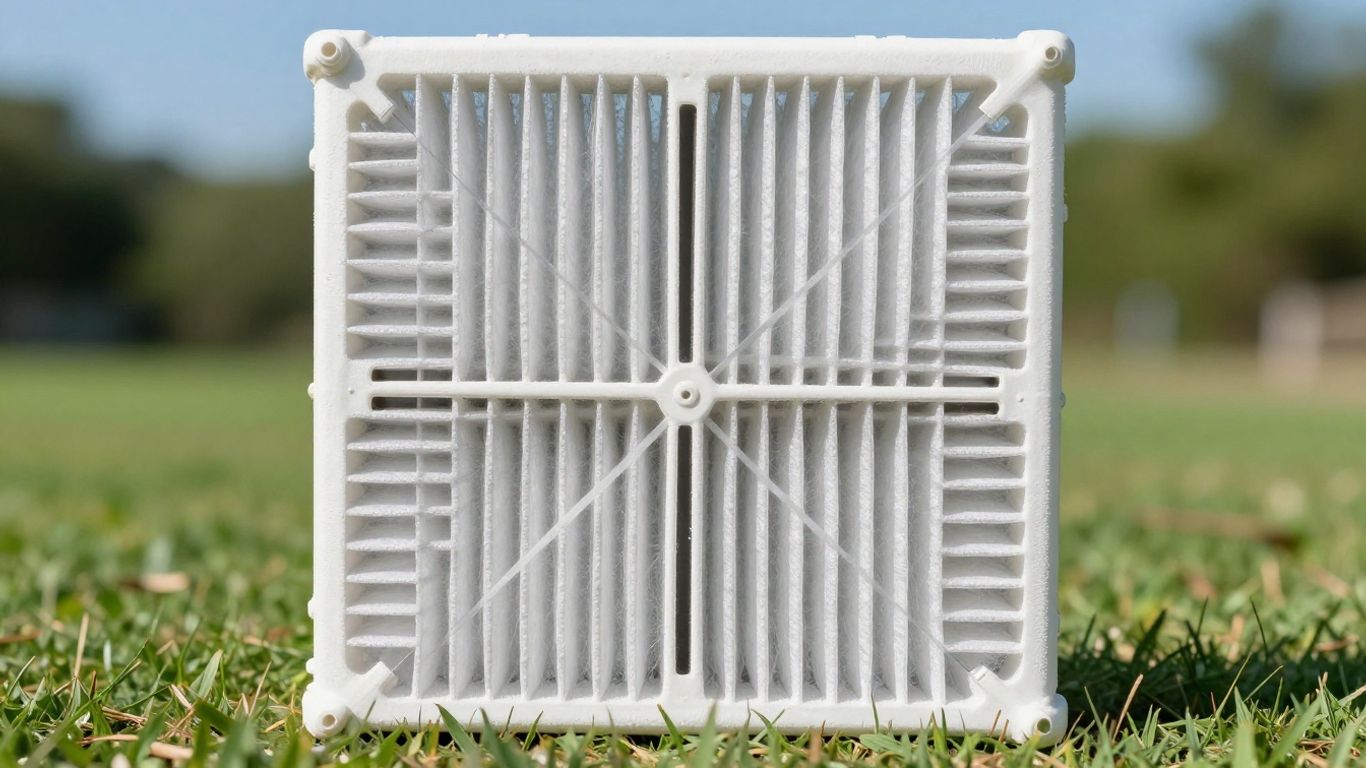
We often forget about the air filters in our HVAC systems, but they play a big role in how well your system works, especially when the summer heat hits Ohio. Think of them as the lungs of your air conditioner. If they get clogged up, it’s hard for air to flow through, making your system work overtime. This not only wastes energy but can also lead to bigger problems down the road.
Importance of Clean Filters
A dirty air filter is like trying to breathe through a thick blanket. It restricts airflow, which means your AC has to struggle to push air through. This struggle causes a few issues:
- Reduced Efficiency: Your system uses more electricity trying to compensate for the blocked airflow. This means higher energy bills for you.
- Poor Air Quality: Dust, pollen, and other particles get trapped in the filter. If the filter is too full, some of these can get blown back into your home, affecting the air you breathe.
- System Strain: When the system works harder, its parts can wear out faster. This can lead to costly repairs or even shorten the lifespan of your unit.
How Often to Change Filters
The frequency of filter changes really depends on a few things, like how much you use your system, if you have pets, or if anyone in the house has allergies. As a general rule, though, we recommend checking them monthly and replacing them as needed.
Here’s a simple guide:
- Standard Household: Check every 30-60 days. Replace if visibly dirty.
- Homes with Pets: Check every 30 days. You’ll likely need to replace more often.
- Homes with Allergies/Asthma: Check every 30 days. Consider higher-rated filters.
It’s better to check more often than not. A quick peek can save you a lot of trouble.
Choosing the Right Filter Type
When you go to buy a new filter, you’ll see a lot of options. The main thing to look for is the MERV rating (Minimum Efficiency Reporting Value). A higher MERV rating means the filter is better at trapping smaller particles. For most homes, a MERV rating between 8 and 13 is a good balance between good filtration and not restricting airflow too much. If you have specific air quality concerns, like severe allergies, you might look into higher MERV filters, but always check your HVAC system’s manual to make sure it can handle the increased airflow resistance.
Inspect And Clear Outdoor Condenser Unit
We often forget about the big metal box sitting outside our homes, but the outdoor condenser unit is a really important part of your air conditioning system. It’s where the heat from inside your house gets released into the outside air. If this unit isn’t working right, your AC won’t cool your home effectively, and it might even break down when you need it most.
Ensuring Proper Airflow
Think of the condenser unit like your lungs. It needs to breathe freely to do its job. If air can’t move through the fins and coils easily, the unit can’t get rid of heat properly. This makes the system work harder, use more energy, and eventually wear out faster. Good airflow is key to keeping your AC running efficiently all summer long.
Removing Debris and Obstructions
Over time, leaves, grass clippings, twigs, and other yard waste can pile up around and inside your condenser unit. This stuff blocks the airflow we just talked about. It’s a good idea to give it a good cleaning before the really hot weather hits.
Here’s a simple way to tackle it:
- Turn off the power: Before you do anything, find the disconnect switch near the unit (or the breaker in your electrical panel) and shut off the power. Safety first!
- Clear the area: Remove any plants, weeds, or debris that are too close to the unit. Aim for at least two feet of clear space all around it.
- Gently clean the fins: Use a soft brush or a garden hose with a gentle spray to wash away dirt and debris from the outside of the unit. Be careful not to bend the delicate fins.
- Check inside (carefully): If you can see larger debris inside the unit (like leaves or twigs), you might be able to carefully remove it by hand or with a shop vac. Again, make sure the power is OFF.
Checking for Damage
While you’re out there, take a moment to look for any obvious signs of damage. Are the fins bent up badly? Is the fan spinning okay (when the power is on, of course)? Are there any loose wires or parts that look out of place? Small issues caught early can prevent bigger, more expensive problems down the road. If you see anything concerning, it’s probably time to call in a professional to take a look.
Keeping the outdoor unit clean and clear isn’t just about looks; it directly impacts how well your air conditioner cools your home and how long it lasts. A little bit of attention now can save you a lot of headaches later.
Check Your Thermostat Settings
Optimizing for Energy Efficiency
We often set our thermostats and then forget about them, right? But during the hot Ohio summer, your thermostat is a key player in how comfortable your home stays and how much you spend on electricity. Making small adjustments here can lead to big savings and a more consistent cool temperature throughout your house. Think about it: if your AC is running more than it needs to, that’s just wasted energy and money. We want to get the most out of our cooling system without overworking it. It’s about finding that sweet spot where comfort meets efficiency.
Understanding Programmable Options
If you have a programmable thermostat, now’s the time to really get to know it. These devices are designed to help you save energy by automatically adjusting the temperature when you’re asleep or away from home. We can set different temperatures for different times of the day. For instance, you might want it a bit warmer when you’re out at work and then cooler for when you get home in the evening. It takes a little bit of setup, but the payoff is worth it. We can program it to:
- Lower the temperature a few hours before you typically arrive home.
- Raise the temperature during the hottest parts of the day if no one is home.
- Set a comfortable sleeping temperature for nighttime.
Smart Thermostat Benefits
Smart thermostats take things a step further. They connect to your home’s Wi-Fi and can often be controlled from your smartphone. This means we can adjust the temperature even when we’re not home, which is super handy. Did we forget to turn it down before leaving for vacation? No problem, just pull out our phone. Many smart thermostats also learn our habits over time and can suggest energy-saving schedules. Some even provide reports on our energy usage, giving us a clearer picture of where our cooling costs are going. It’s a modern solution for modern homes, making temperature control more convenient and potentially more efficient.
Examine Ductwork For Leaks
The Impact of Leaky Ducts
We often focus on the big parts of our HVAC system, like the air conditioner or furnace, but the ductwork plays a huge role too. Think of your ducts as the veins and arteries of your home’s climate control. If they have holes or gaps, conditioned air – whether it’s cool summer air or warm winter air – can escape before it even reaches the rooms where you need it. This means your system has to work harder and longer to achieve the desired temperature. This wasted energy directly translates to higher utility bills and can put unnecessary strain on your HVAC equipment, potentially leading to premature breakdowns.
Signs of Duct Issues
Spotting duct leaks isn’t always obvious, but there are some common signs to look out for. You might notice uneven temperatures from room to room; one area might be comfortable while another feels stuffy or too warm. Another indicator is a sudden increase in your energy bills without any changes in your usage habits. Sometimes, you might even hear a hissing or whistling sound coming from your vents or ceilings, which can signal air escaping. Dust buildup around vents or in areas where ducts are accessible can also point to a problem.
Simple DIY Checks
While a professional can perform a thorough duct inspection, there are a few things we can check ourselves. First, take a look at any visible ductwork in your attic, basement, or crawl spaces. Are there any obvious tears, disconnected sections, or loose joints? You can also feel around the seams and connections for drafts when the system is running. Another simple test involves closing all your doors and windows, turning on your AC, and then walking through your house. If some rooms feel significantly less cool than others, it might be a sign of leaky ducts affecting airflow to those areas. If you suspect significant issues, it’s always best to call in a qualified HVAC professional for a proper assessment.
Ensure Proper Ventilation
We often focus on the big parts of our HVAC system, like the AC unit itself or the thermostat. But sometimes, the air needs a clear path to get where it’s going. That’s where ventilation comes in. Good ventilation helps your air conditioner do its job better and keeps the air inside your home feeling fresh. If air can’t move freely, your system has to work harder, which isn’t good for your energy bills or the lifespan of your equipment.
The Role of Ventilation in Cooling
Think of ventilation as the highway system for your conditioned air. When your AC runs, it cools the air. This cool air then needs to travel through your ductwork to reach all the rooms in your house. Proper ventilation means these pathways are open and unobstructed, allowing that cool air to circulate effectively. Without it, some rooms might stay warm while others get too cold, and the system will run longer trying to even things out. This also impacts humidity levels; good airflow helps manage moisture.
Checking Vents and Registers
This is something we can all take a look at ourselves. Your vents and registers are the openings in your walls or floors where the air comes out. First, just walk around your house and look at them. Are they blocked by furniture, rugs, or curtains? It’s surprising how often a simple piece of furniture can stop airflow to an entire room. Make sure nothing is sitting directly in front of them. Also, check if the louvers (the little slats) are open. Sometimes they get accidentally closed or adjusted. Give them a gentle push to make sure they’re directing air as they should.
Addressing Poor Air Circulation
If you’ve checked your vents and registers and things still don’t feel right, there might be a bigger issue with air circulation. This could mean a few things:
- Ductwork problems: As we’ll discuss later, leaks or blockages in your ducts can seriously impede airflow.
- Undersized system: If your AC unit isn’t powerful enough for your home’s size, it will struggle to circulate air effectively, no matter how clear the vents are.
- Improperly balanced system: Sometimes, the system is designed in a way that doesn’t distribute air evenly. This is more complex and usually requires a professional.
If you notice persistent issues like uneven temperatures between rooms, stuffiness, or your AC running constantly without cooling the whole house, it’s a good sign that your ventilation might need a closer look. Don’t ignore these signs; they can lead to bigger problems down the line and make your home uncomfortable during the summer heat.
If you suspect a problem with your system’s balance or suspect ductwork issues, it’s best to call in a professional. They have the tools to measure airflow and identify exactly where the problem lies. They can also check if your system is properly sized for your home, which is a big factor in how well air circulates.
Wrapping Up
So, we’ve gone over a few things we can do to get our air conditioners ready for the hot Ohio summer. Taking these steps now can really make a difference when the temperatures start to climb. We don’t want to be caught off guard with a system that’s struggling. A little bit of upkeep can go a long way in keeping our homes cool and comfortable. If anything seems too tricky, remember there are always pros who can help out. Let’s aim for a cool and easy summer ahead.
Frequently Asked Questions
When is the best time to get our air conditioner checked before summer hits Ohio?
We recommend scheduling a professional check-up for your HVAC system in the spring, ideally April or May. This gives us plenty of time to find and fix any issues before the really hot weather arrives and your system is working overtime.
How often should we really be changing our air filters?
For most homes, changing your air filters every one to three months is a good rule of thumb. If you have pets or allergies, you might need to swap them out more often, perhaps every month, to keep the air clean and your system running smoothly.
What exactly do we need to do to clean the outside part of our AC unit?
You’ll want to make sure the area around your outdoor unit is clear of leaves, grass clippings, and any other garden stuff. Gently rinse the fins with a hose to remove dirt. Just be careful not to bend them, as this can block airflow.
Are smart thermostats really worth the investment for saving energy?
Yes, they absolutely can be! Smart thermostats learn your habits and can automatically adjust the temperature when you’re away or asleep, which significantly cuts down on energy use and can lower your utility bills. Plus, you can often control them from your phone.
What are the signs that our air ducts might be leaking?
Look out for uneven temperatures in different rooms, high energy bills, or a dusty home. You might also hear whistling sounds when the air is running. If you notice any of these, it’s a good idea to have us check your ducts.
Why is making sure our vents are open and not blocked so important?
Your vents and registers are the pathways for the cool air to reach all the rooms in your house. If they’re blocked by furniture or curtains, or if they’re closed, the cool air can’t get where it needs to go. This makes your system work harder and can lead to uncomfortable spots in your home.
